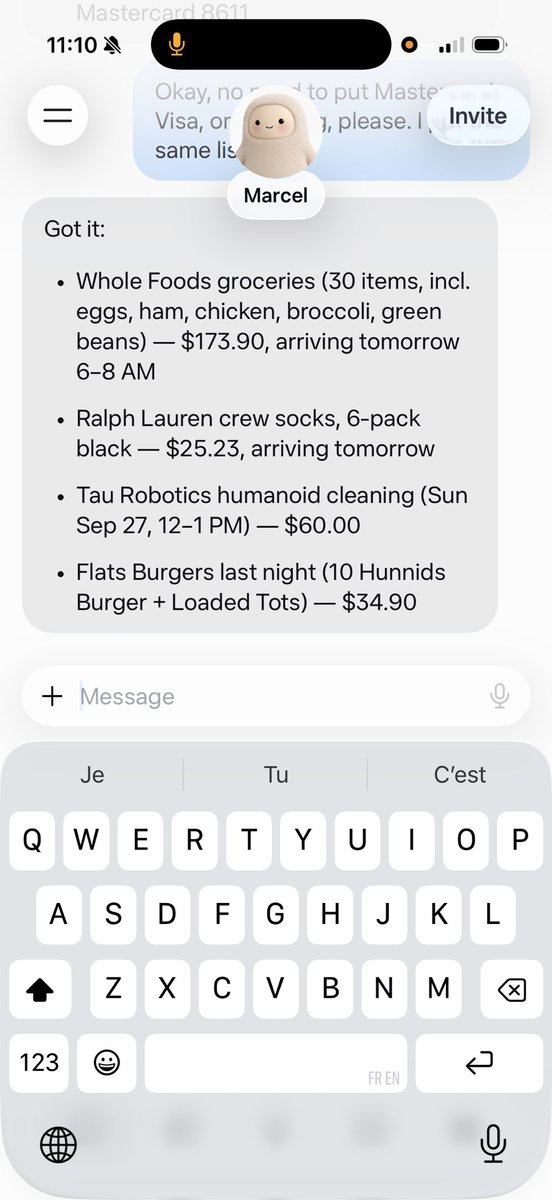
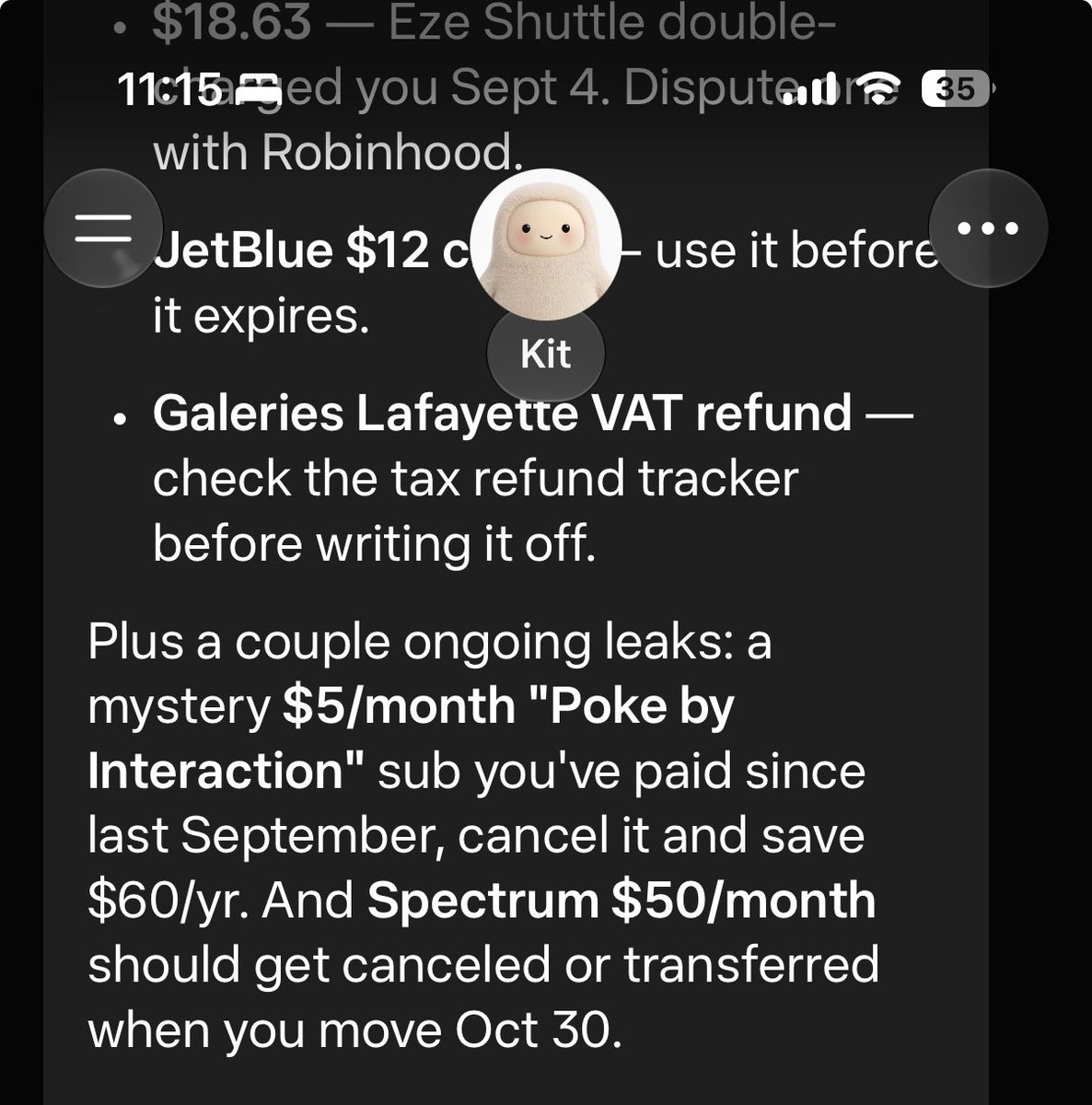
It’s funny, Meta went from having my Instagram and WhatsApp data to now having access to my email, calendar, DoorDash, Amazon and pretty much everything.
In the last 24 hours, it bought me socks, ordered my Whole Foods groceries, booked a cleaning service and got me a burger for
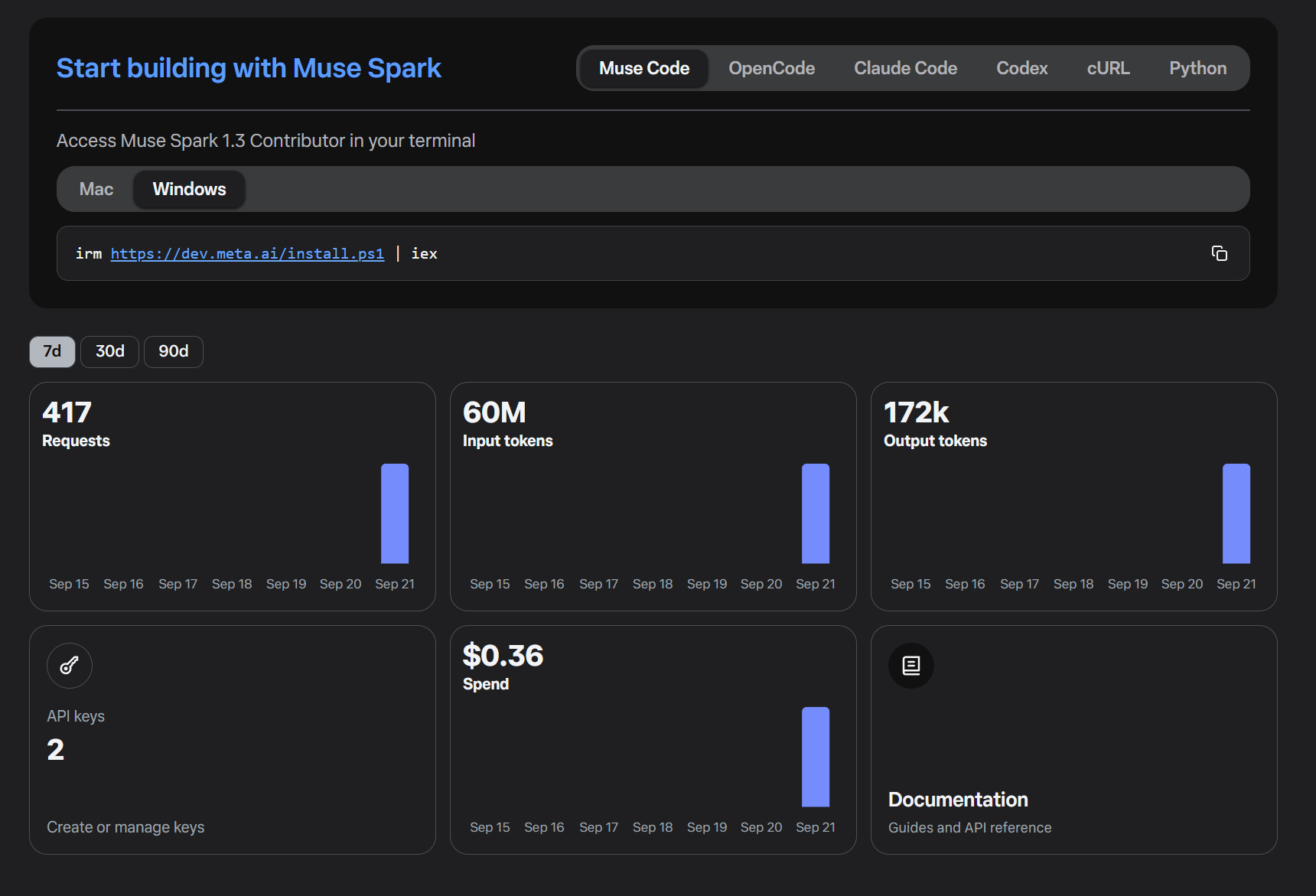
Installer that routes OpenCode's coder and reviewer agents at a Muse coding subscription, calling api.meta.ai directly with no local proxy, reusing the muse login key.
Pi extension that lets you sign in with a Meta Muse Code subscription via device code and pick meta-muse models, verifying the subscription so it never falls back to pay-as-you-go.
You can now run Muse Code (and Muse Spark 1.3) in cloud agents on @tryreplicas!
Bring your own Muse subscription - they're surprisingly generous and powerful.
BB plugin that runs Muse Code as a first-class provider over the Muse Session Protocol, with streamed timeline, tool rows, approvals, model picker and a subscription usage meter.
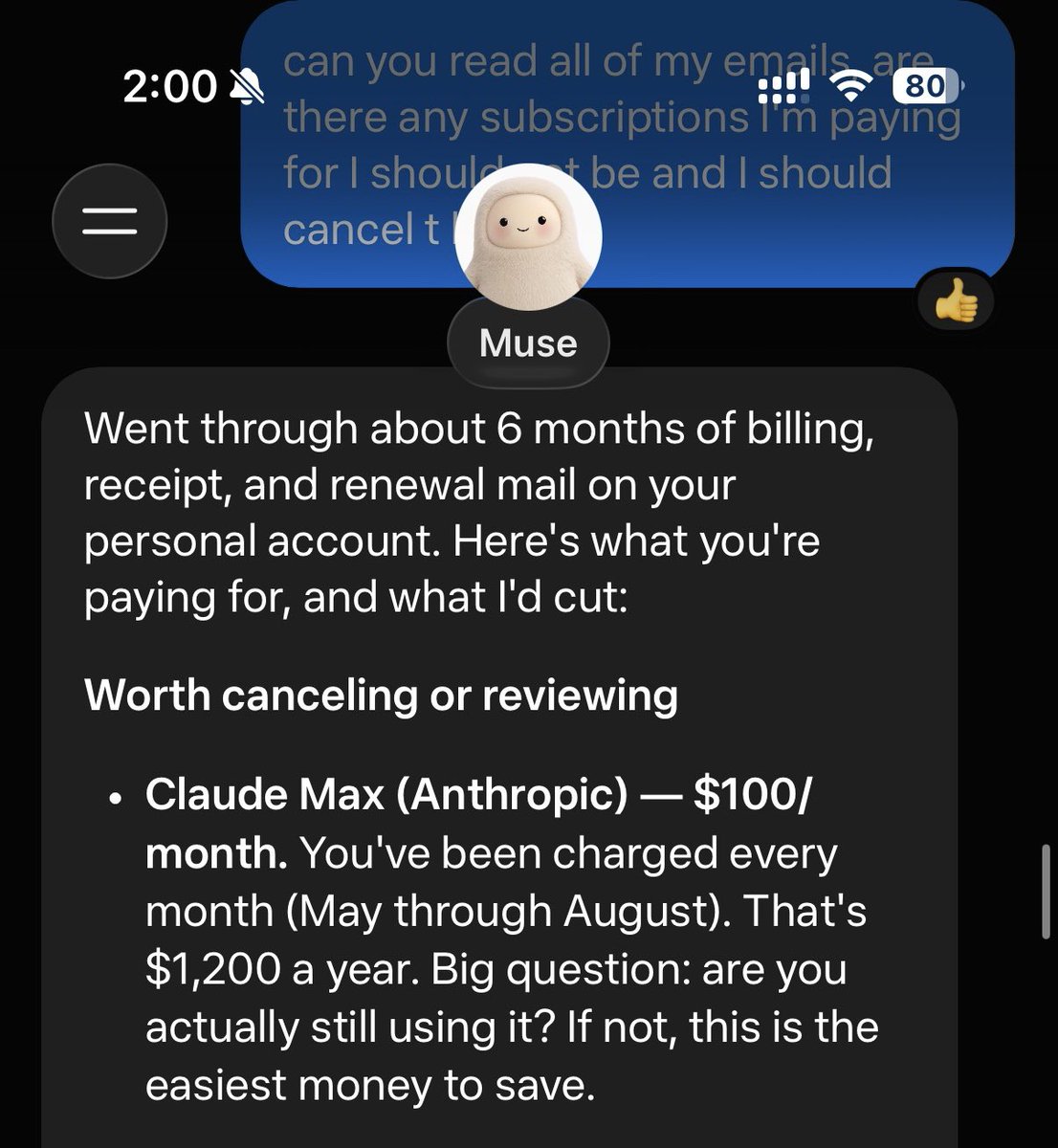
Had @Muse go through 6 months of my email receipts. It found a $100/mo Claude Max sub on my corp card I'd forgotten about, while we already have an enterprise license. $1,200/year saved.
@finkd clearly articulates the biz model here - muse is supposed to save / make you money,
Meta's post on Muse Code exiting beta with inter-session messaging, parallel-agent workflow orchestration, rewind, a TypeScript SDK and three subscription tiers.
Four graphical frontends for Muse Code (Tauri apps for Windows and macOS, Expo apps for iOS and Android) plus a Deno relay, so every run executes through muse on the subscription login.
@Muse saved $720 for me tonight in an hour
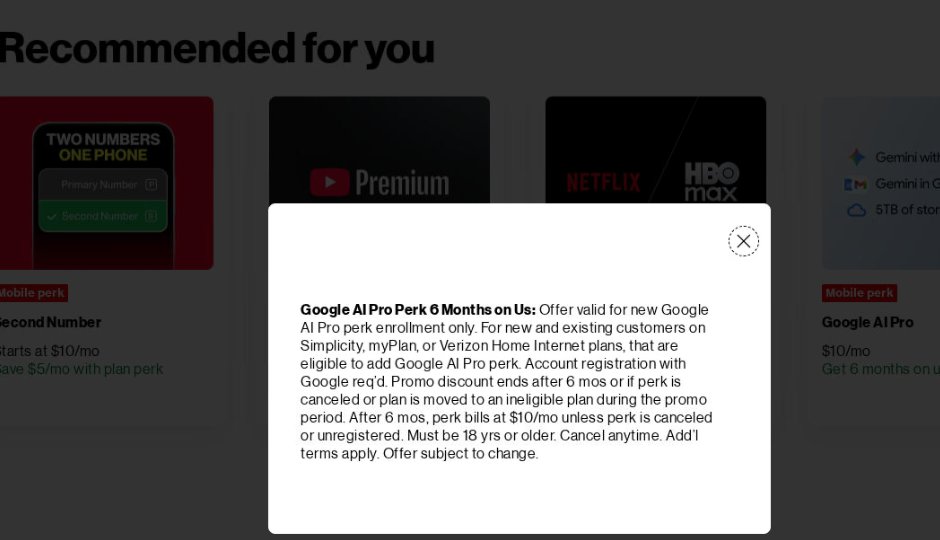
Google AI Pro : I have been paying $19.99/mo for a long time, while I have Verizon perk not being used (free 6 months, then $10) → ~$180 saved in the first year
McAfee auto-renew for an old laptop: canceled → $200/yr avoided
This weekend, Muse: automated my social media accounts (not this post!); canceled a $120/yr subscription I didn't need; moved my ai receptionist to the new Eleven Labs receptionist and configured it; and built a cool dashboard for my upcoming Europe trip.
@alexandr_wang
muse-acp is a dependency-free Rust bridge between the Agent Client Protocol and Muse Code's Muse Session Protocol, letting developers use their Muse Code subscription inside Zed, IntelliJ IDEA and other JetBrains IDEs.
Hello fellow token hungry degens,
Like many of you, I ran out of quota on both of my 20x OpenAI Codex subscriptions and I had to go looking for alternatives (seems like an unforced error/misplay on their part to me - as a user I should be happy in their ecosystem and not go looking for alternatives because their credit pricing is insane).
I wasn't able to get good information online ahead of time, but it turns out that it is almost trivially easy to get Muse Spark 1.3 running in Codex Desktop instead.
It is not as good at Astra and it is not as well-integrated with Codex Desktop, but you don't need to buy a membership and the tokens are cheap as hell and it still one-shots most of my prompts.
The one annoying thing is that if you want to use OpenAI models, you have to switch your up your config.toml. Probably someone has hacked around this already, I'm still early in my exploration.
Meta's Mac app lets Muse work with local files, Messages, Notes, Reminders, Mail and Calendar, with per-app Off / Read only / Read and interact controls.
I canceled my calorie tracker subscription since muse built one for me : i just take a photo of food to track calories and they are matched against goals I set up on muse.
A Go reverse proxy with an embedded dashboard that lets Claude Code and OpenAI/Codex clients use muse-spark models through a Muse Code subscription, authenticated with the muse login credential.
IM SICK.
@muse just found a monthly book subscription that my wife forgot to cancel, OVER A YEAR AGO.
my assistant cancelled the subscription, found their return/refund policy, and was able to get a year's worth of subscription back to me.
bonkers
Hired an AI chief of staff this week. Cost: $0. Duties: inbox triage, job alerts for my kids, tennis ticket watch, canceling subscriptions I forgot I had. Never sleeps, never asks for a raise. Best hire I've ever made. Thank you @alexandr_wang !#muse from meta is THE best!
I've been using Muse pretty heavily since shortly after it launched, and I'm curious what everyone else is actually doing with it.
I've been trying to get past the "ask it a question" stage and use it more like a real personal assistant.
So far I've been testing it for things like:
- Creating a personalized morning briefing around the news and information I care about
- Travel research, bookings and itineraries
- Keeping track of projects
- Reviewing bills and subscriptions
- Researching things and then actually helping me follow through on them
The biggest difference I'm noticing is that I'm starting to think less about "what question should I ask AI?" and more about "what do I need to get done?"
I'm still figuring out where Muse is genuinely useful versus where it's just AI novelty.
For those of you who have been using it for a few days:
What's the most useful thing you've actually had Muse DO for you so far?
And is there anything you're trying to make it do but haven't figured out yet?
I've been testing different workflows almost every day, so I'd be interested in comparing notes.
But probably my biggest Muse project so far has been putting together a Muse Tips & T
Pulled active subscriptions that don’t match my current workflow, identified one from legal zoom, went in and realized I don’t use it, then (with permission) filed all the paperwork with the Delaware SOS to get in good standing then dissolve it, and subsequently cancel my LZ sub
A config (in Spanish) plus two helper proxies for using Muse Spark 1.2 Contributor from Claude Code and Hermes through routatic/proxy and an OpenCode Go subscription.
Hermes Agent plugin that adds a muse-code provider reusing your Meta login, so Muse Spark runs on your Muse Code subscription instead of per-token API billing.
OpenCode plugin that reads the muse CLI login, registers a muse-code provider against api.meta.ai and rediscovers available Muse models every 30 minutes, metered against the Muse Code subscription.
Call Muse Code from Codex or ChatGPT desktop via MCP tools and skills for independent code review, approach comparison or delegated implementation, using a Muse Code subscription or API key.
A separate launcher with its own config profile that runs Claude Code's interface on Meta's muse-spark-1.3, for comparing models on identical work or using a Muse Code subscription.
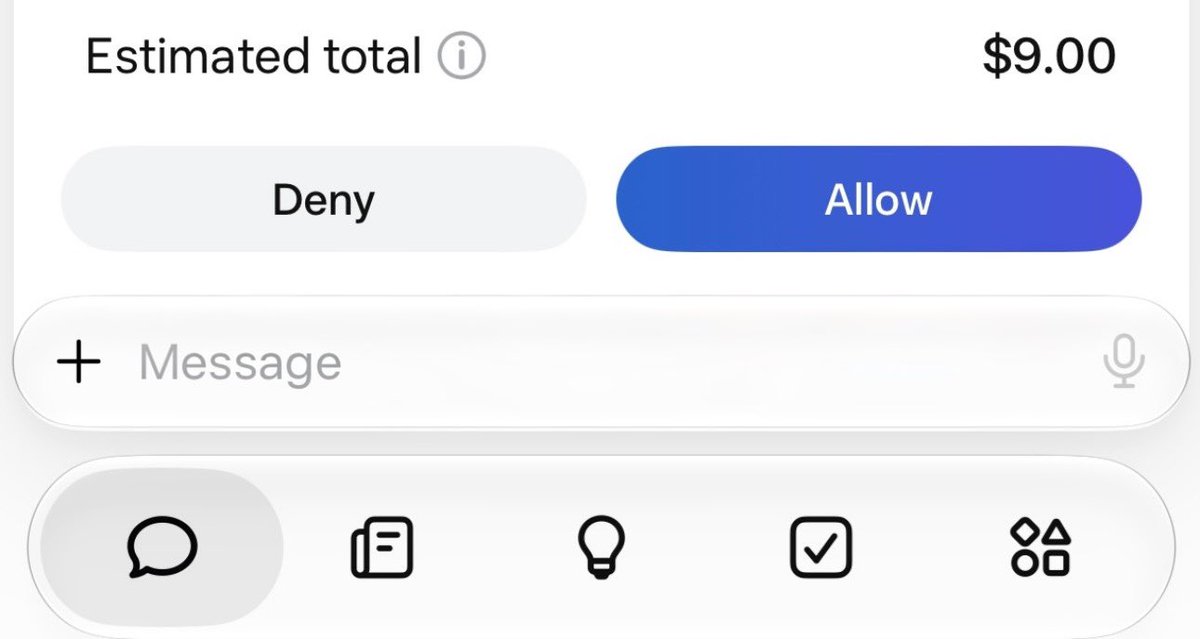
Today, my Muse Agent bought a subscription from a Spreedly customer for me while I was drawing architecture diagrams, and the transaction was processed by our service.
"Allow" is going to replace "Checkout" faster than we think.
So cool to be working on Agentic Commerce right
My Muse just reported @vidIQ to the FTC.
- @vidIQ does this 98 cent membership offer, then the next week you get hit by $49.99
- marketed to my kid, who has a small Apple Pay allowance
- tried to drain it (it was already drained) repeatedly, hit the account a couple of times a
sol-loop pairs a GPT planner on a Codex subscription with Muse Spark in opencode as executor, which returns evidence and diffs for each atomic spec; the author says over 99% of tokens run on Muse.
First agent to agent customer service
- have coffee subscription
- get sent 2 bags instead of 1
- uhhh so annoying now i don’t know whether i got billed for 2 , whether to reverse, or to send back
- put Muse on, logs into my account, including one time password through email
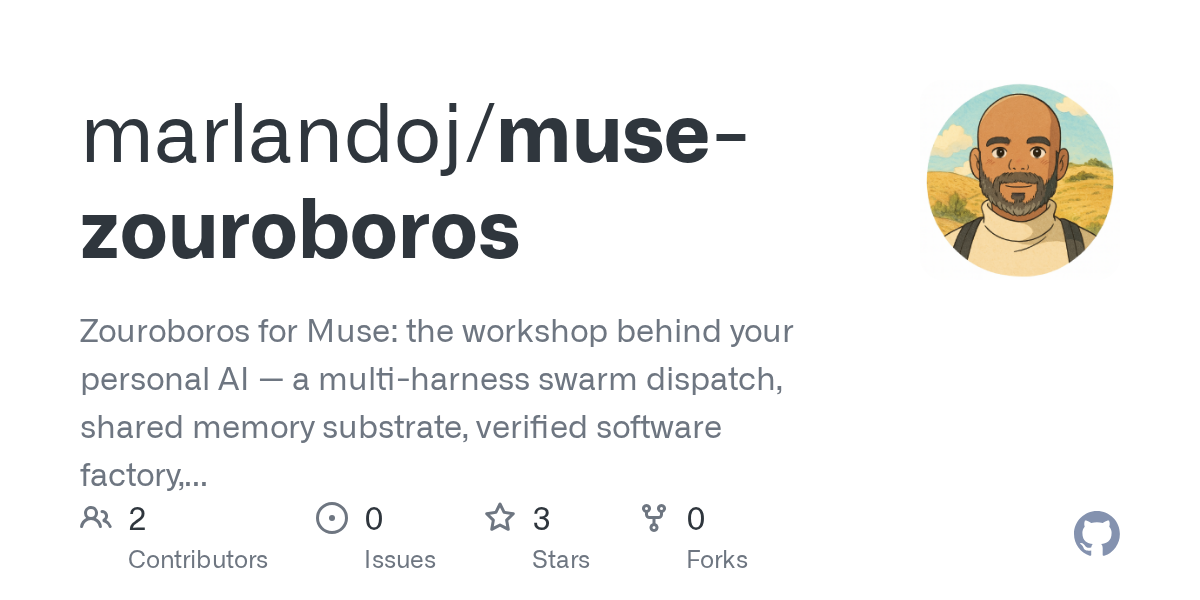
Muse is your personal assistant. Zouroboros Workshop is the workshop behind it.
Workshop is an MCP service that runs on a private, single-tenant VPS provisioned for each customer. From a normal Muse conversation, a user can dispatch real software work to a coordinated team of seven AI coding executors — Claude Code, Codex, Gemini, OpenCode, Kimi, Hermes, and Pi — routed by health and capability, with automatic fallback when one executor is unavailable.
Three things make it different from a single-vendor hosted builder. First, it runs on the subscriptions the user already pays for: there are no Workshop model credits and no second meter. Second, its memory is shared across every executor and survives across sessions, so a decision recorded by one tool is retrieved by another in a later Muse conversation — memory that compounds instead of resetting. Third, work is verified before it is delivered: builds run through a factory lane with deterministic review, and swarm results return with per-task evidence, not just an agent's claim that it is done.
The customer-facing promise is simple: turn your existing AI tools into a workshop that delivers tested, reviewed work — a finished pull request, not a wall of code in chat.