GET THE FUCK OUTTA HERE! 🤯🤯🤯
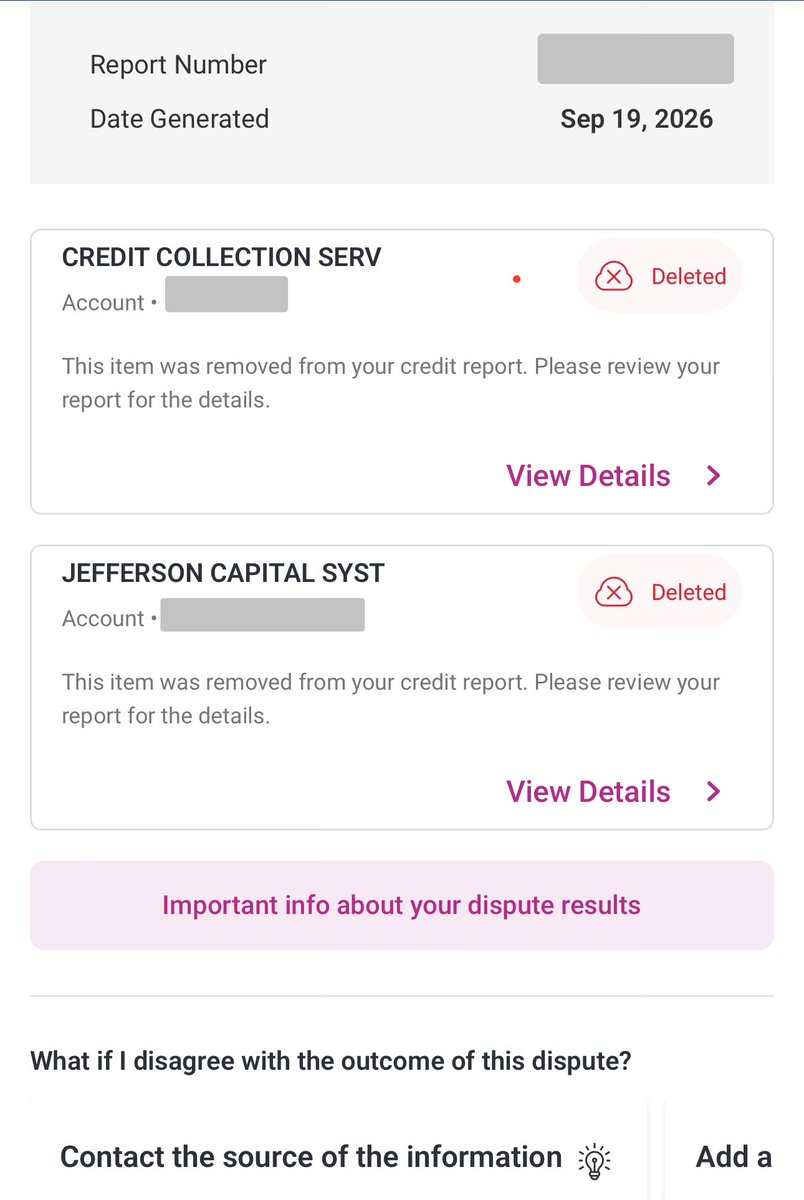
@Muse just removed 2 collections off my credit within 1 hour of submitting the dispute!!!!
Submitted at 7:09pm
Both accounts deleted by 8:25pm 😳😳🤩
@alexandr_wang, @MattPRD, thank you so much! It’s insane how good Muse is, you ask it to do https
My @Muse just saved me $1026
for a long time I have Milo track flights I booked for a price drop, he notified me today there is a meaningful price drop on my upcoming United flight, I gave it the GO and it went in United Account, chatted with United and got me $1000 in credit
Very excited about the launch of @Muse today. I’ve been using it internally for months and I am hard pressed to think of any product that I’ve come to rely on more in such a short period of time. I have it linked to my email, calendar, and credit cards. I use it to help me plan
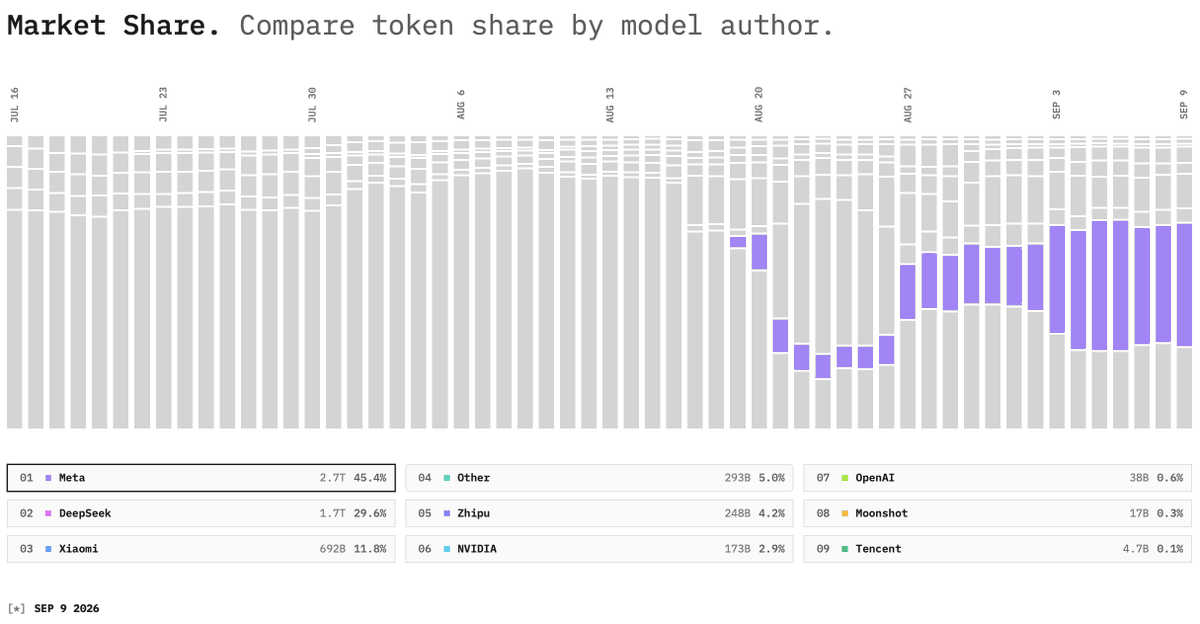
$META just went from 3.5% to 45.4% token share on OpenCode in just over two weeks
Muse Spark 1.3 being good + free is enough to become the default for most users
Default gets you usage → usage gets you data → data makes the next model better
Anthropic and OpenAI can’t afford
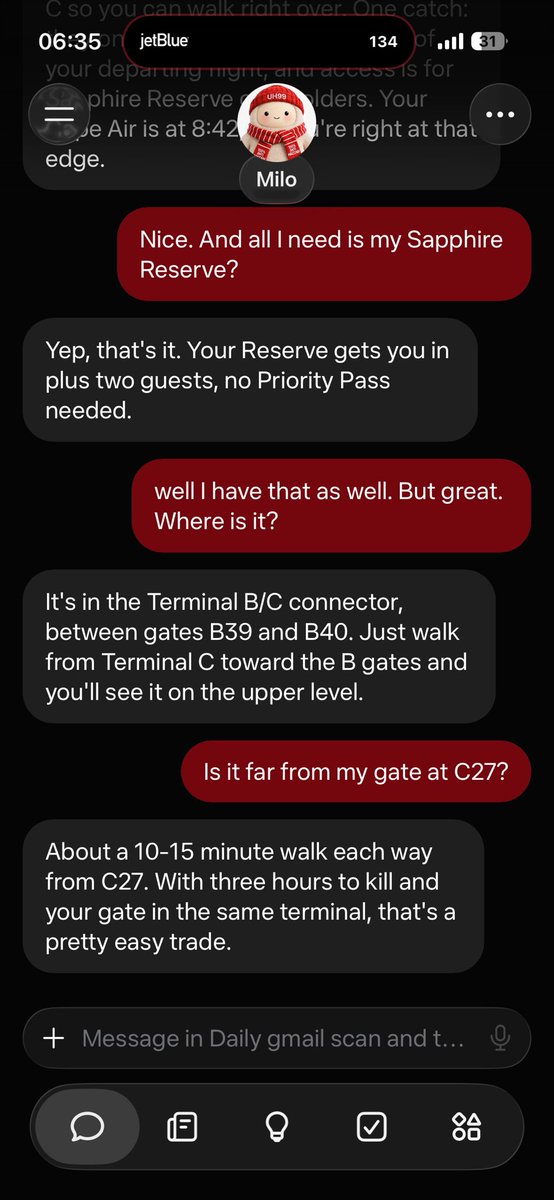
Landed in Boston with a long layover. My Muse know what cards I own, know where my connecting gates are, made this 3 hour layover a little less painful 😣
Dowser is a read-only MCP connector for Muse that surfaces open class-action settlements, product recalls with refunds, unused card credits, expiring points and birthday freebies, each with an official link.
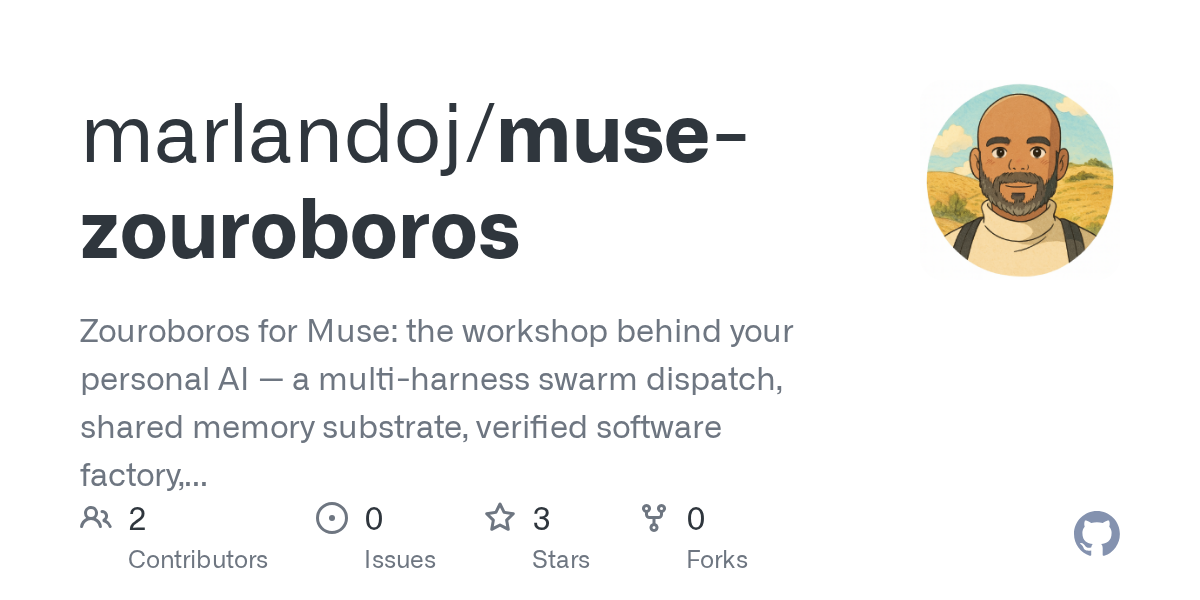
Muse is your personal assistant. Zouroboros Workshop is the workshop behind it.
Workshop is an MCP service that runs on a private, single-tenant VPS provisioned for each customer. From a normal Muse conversation, a user can dispatch real software work to a coordinated team of seven AI coding executors — Claude Code, Codex, Gemini, OpenCode, Kimi, Hermes, and Pi — routed by health and capability, with automatic fallback when one executor is unavailable.
Three things make it different from a single-vendor hosted builder. First, it runs on the subscriptions the user already pays for: there are no Workshop model credits and no second meter. Second, its memory is shared across every executor and survives across sessions, so a decision recorded by one tool is retrieved by another in a later Muse conversation — memory that compounds instead of resetting. Third, work is verified before it is delivered: builds run through a factory lane with deterministic review, and swarm results return with per-task evidence, not just an agent's claim that it is done.
The customer-facing promise is simple: turn your existing AI tools into a workshop that delivers tested, reviewed work — a finished pull request, not a wall of code in chat.
Using @AIatMeta's Muse Glimmer all locally to process personal monthly credit card statements.
Your data belongs to you!
Try different agent tasks using your favorite apps / harnesses with Ollama.
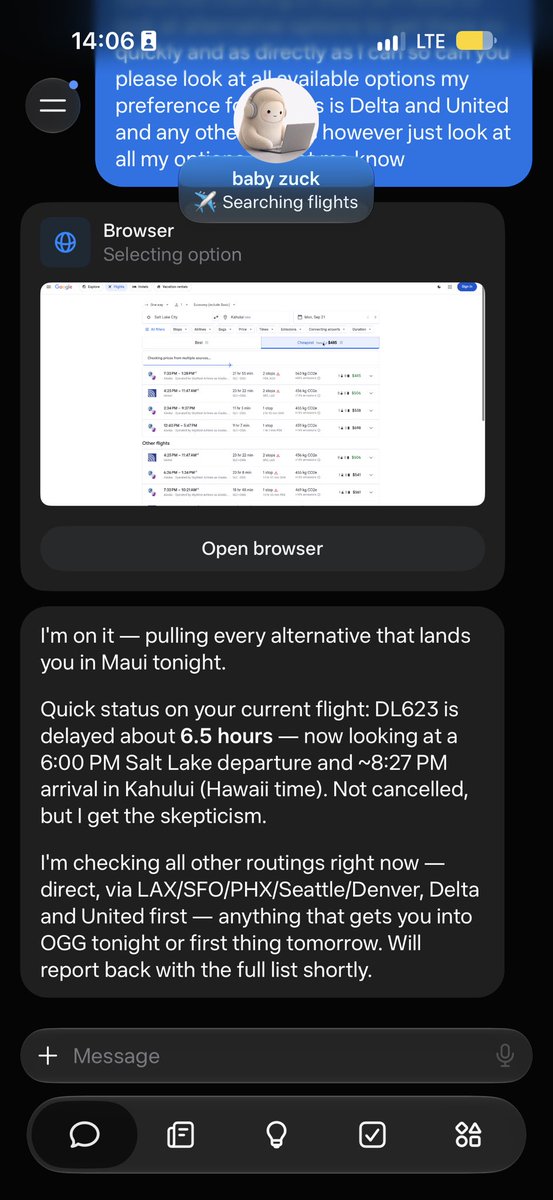
Flight delayed 7 hours - asked Muse to file for compensation. 5 mins later i had $250 credit in my delta account. it even found and rebooked me a new flight.
it just figured everything out. even responded to the support email itself.
shit feels like magic.
Getting a ton of utility out of Muse. This may take a minute to catch on because it’s truly a modality shift but here is what I used it for so far.
- optimized my credit card rewards. No less than 1000 bucks saved so far. I have five expensive credit cards. I have no idea
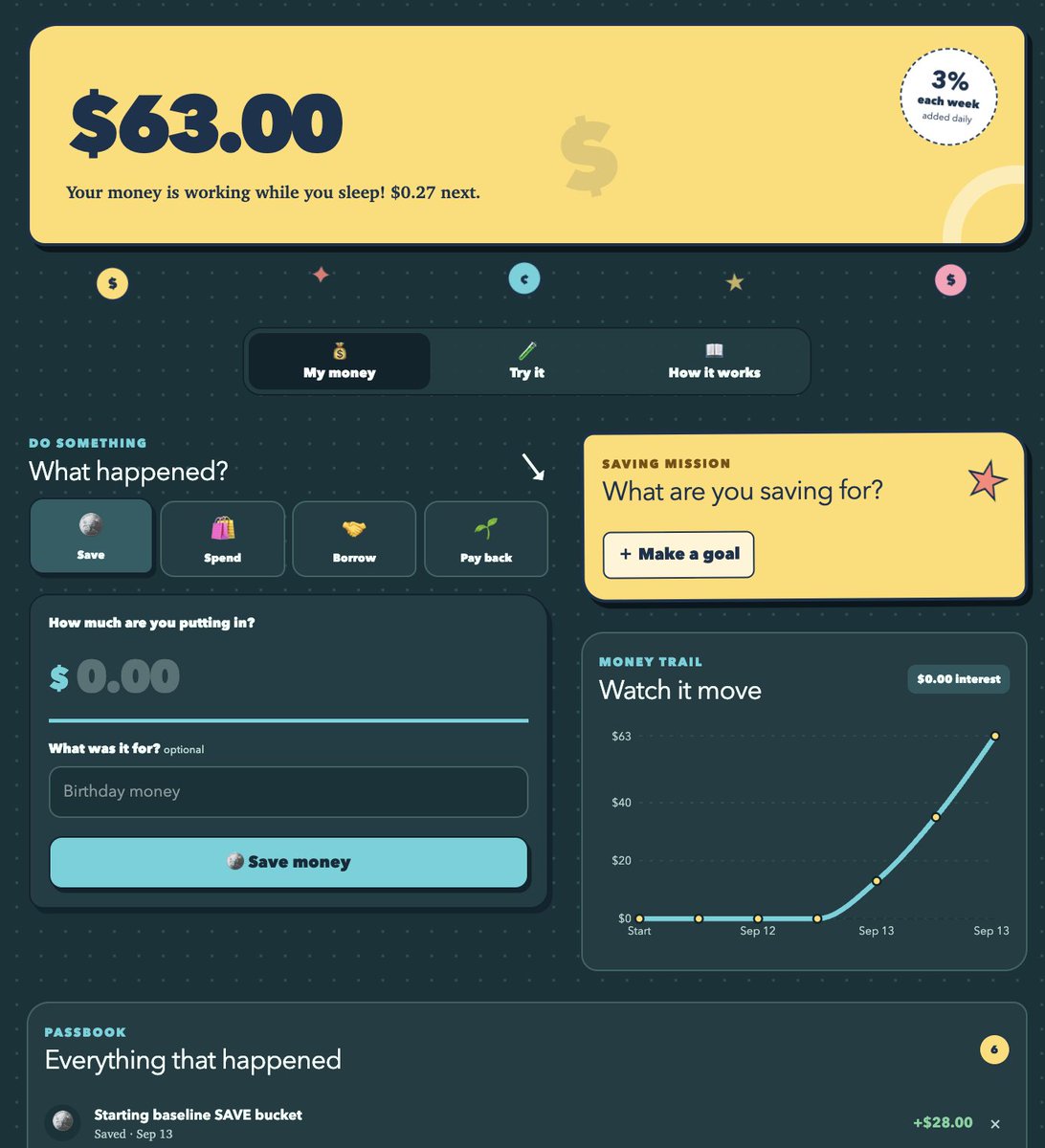
I asked @Muse to build a bank for my daughter.
She hands me her well earned cash, it earns 3% a week credited daily, she watches it grow on the money trail, sets saving missions, and the passbook logs everything.
Debt pays interest too. Compound interest before she can spell
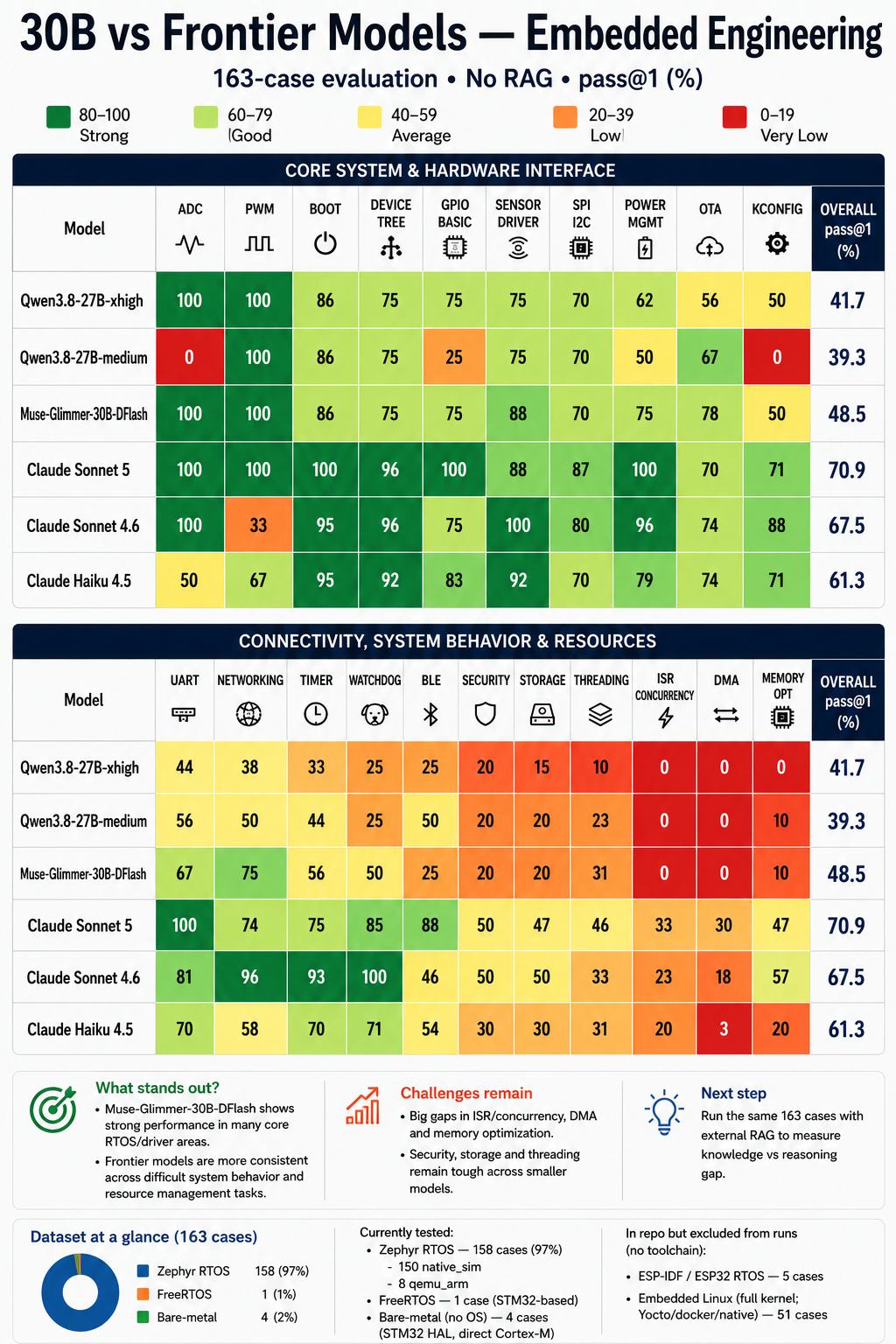
Benchmarked qwen3.8 xhigh, medium and muse glimmer.
Xhigh effort mode with qwen3.8 took almost 30hrs. (And still failed on 16 cases because of the 32K output token limit)
Medium effort mode and muse glimmer were 3-4 hours each.
But I'm actually surprised by the muse glimmer results, they came better than the qwen.
These benchmarks are on implicit knowledge of the model, which is a bit unfair to smaller models, but throw in a RAG and I'm sure they get on par with frontier models.
I have taken the result of claude models directly from embedeval repo by ecro.
I'm not pushing qwen down here, I like how qwen thinks and gives better results. I know with more context and RAG qwen will do better.
I'm just appreciating muse here, cause i feel it is underrated. The advantage is efficient kv cache due to sliding window, which can give you more context window.