№ 0133Skill
opencode-delegate Claude Code plugin
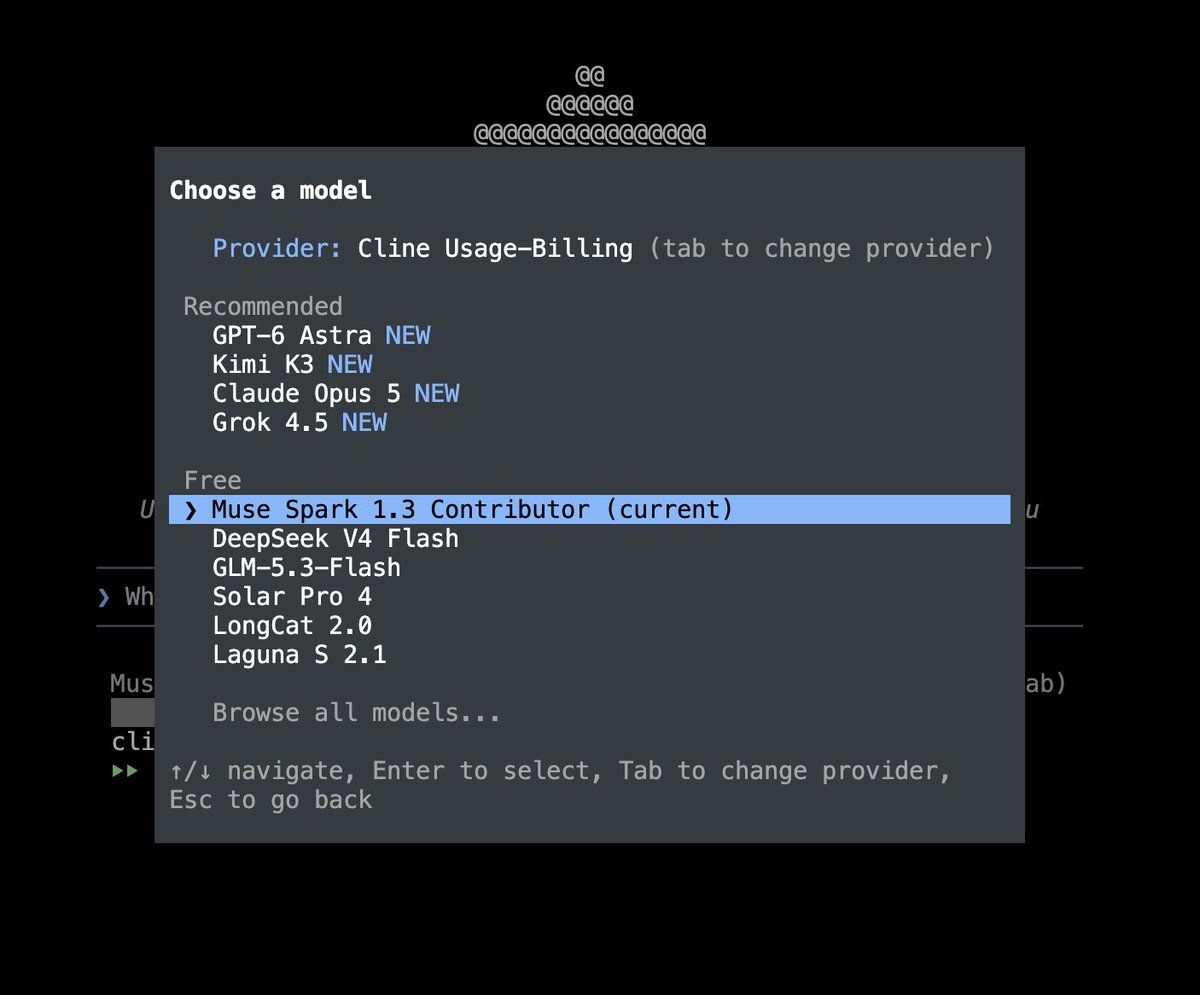
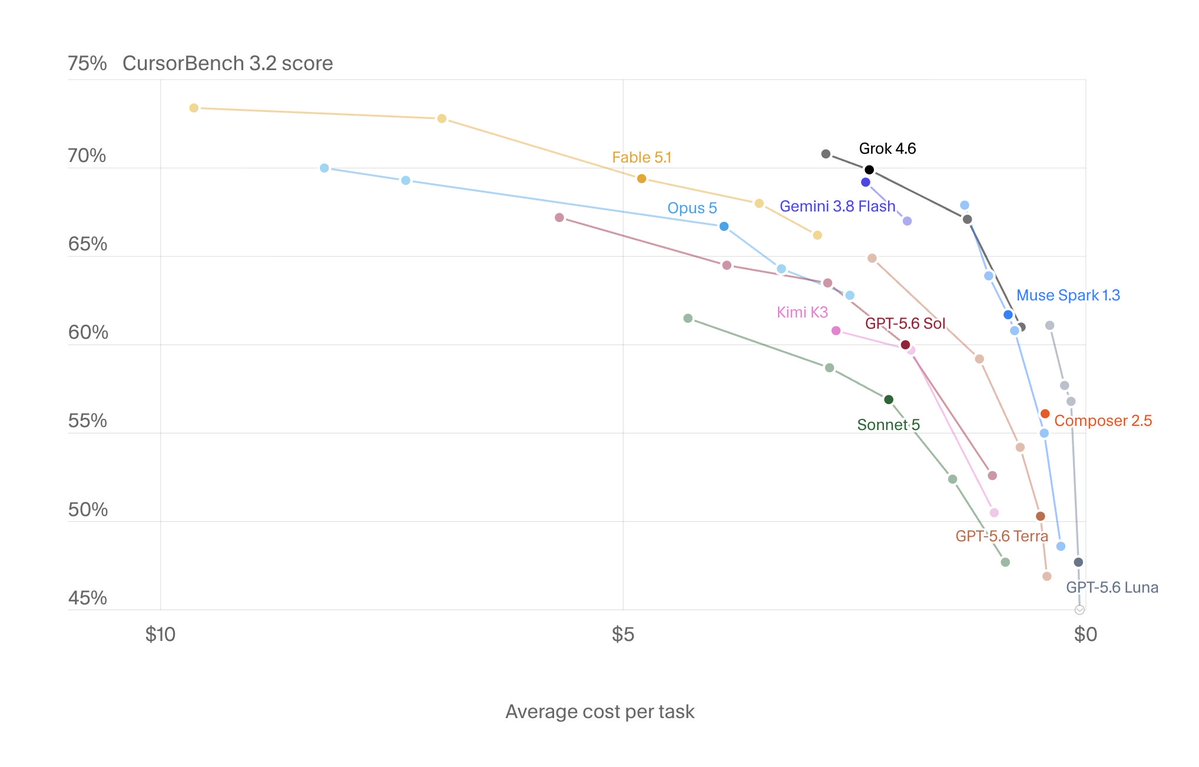
opencode-delegate is a Claude Code plugin where Claude plans and writes briefs while opencode sessions on free models, Muse Spark 1.3 by default, implement and review each task.
opencode-delegate
A Claude Code plugin that runs opencode-driven development: Claude
brainstorms, writes the plan, and writes every brief; opencode
sessions on free models — Muse Spark 1.3 by default — implement each task,
review each task, and review the whole branch. It is a mirror of
superpowers' subagent-driven-development with opencode in every subagent
seat.
Claude thinks and adjudicates. opencode models do the engineering. You
approve the plan once.
This repo is also a Claude Code plugin marketplace, so it installs on any
machine and works in every project.
How it works
- You ask for something worth a plan — a feature, a refactor, a test
suite. Claude invokes the skill itself (or you type/opencode-driven-development). - Claude brainstorms with you until the design is settled, writes an
implementation plan (file map, bite-sized tasks with the code and tests
spelled out), and shows it to you. You approve the plan once. - For each task, Claude writes a brief and runs
oc-task. That creates a
git worktree on branchoc/<plan>(first task) and dispatches a fresh
opencode session per task inside it, permissions auto-approved because
the worktree is the sandbox. The model implements, commits per step, runs
the verification command, and ends with a## RESULTblock. - Claude re-runs the verification command itself, then dispatches an
opencode reviewer (--role review, opencode's read-onlyplanagent)
with the task's diff. Findings go into a fix loop — resume the same
session up to three times, then a fresh session on a different free
model — with a scoped re-review after every fix. A ledger in.oc-runs/
records every decision. - After the last task, a final whole-branch review on the strongest free
model. Then Claude reports every ruling it made and offers: merge now
(oc-task --merge,--no-ff, one revert point viaoc-undo), open a
PR, or leave the branch.
Nothing stops for you between plan approval and the end except the four
things that should: a destructive operation, a security-sensitive action, a
side effect outside the worktree (merge/push/publish), or a plan so broken
every path is a guess. Tasks touching auth, secrets, crypto, or payments
get one extra question: whether you're OK sending that code to an opencode
model.